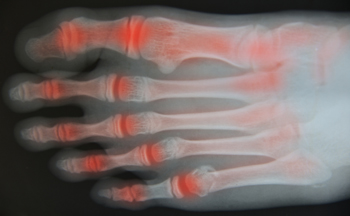
A common reason a broken foot may occur can be from falling off of a ladder, or it may become injured from participating in sporting events. The bones that are located between the toes and the ankle are referred to as the metatarsals. They can be prone to stress fractures, which typically happen from overuse. The average healing time for a broken foot is generally six to twelve weeks. Many daily activities are able to be completed as the healing process occurs when a walking boot or cast is worn. For more severe fractures, it may take longer if surgery is required. If you have pain in your feet as a result of either a fall or something else, it is advised that you consult with a podiatrist.
A broken foot requires immediate medical attention and treatment. If you need your feet checked, contact Dr. John R. Northrup from Superior Foot, Ankle & Wound Care. Our doctors can provide the care you need to keep you pain-free and on your feet.
Broken Foot Causes, Symptoms, and Treatment
A broken foot is caused by one of the bones in the foot typically breaking when bended, crushed, or stretched beyond its natural capabilities. Usually the location of the fracture indicates how the break occurred, whether it was through an object, fall, or any other type of injury.
Common Symptoms of Broken Feet:
Bruising
Pain
Redness
Swelling
Blue in color
Numbness
Cold
Misshapen
Cuts
Deformities
Those that suspect they have a broken foot shoot seek urgent medical attention where a medical professional could diagnose the severity.
Treatment for broken bones varies depending on the cause, severity and location. Some will require the use of splints, casts or crutches while others could even involve surgery to repair the broken bones. Personal care includes the use of ice and keeping the foot stabilized and elevated.
If you have any questions, please feel free to contact one of our offices located in St. Augustine, Palm Coast, and St. John's County, FL. We offer the newest diagnostic and treatment technologies for all your foot care needs.
Your feet are covered most of the day. If you're diabetic, periodic screening is important for good health. Numbness is often a sign of diabetic foot and can mask a sore or wound.
Inflammatory arthritis can affect the feet early in the course of disease, causing pain, swelling, stiffness, and difficulty with walking. Unlike wear-and-tear arthritis, this type of joint inflammation happens when the immune system mistakenly attacks healthy tissue. Conditions such as rheumatoid arthritis, psoriatic arthritis, and other autoimmune disorders may involve the feet and ankles, sometimes affecting multiple joints at once. People may notice morning stiffness, tenderness, warmth, or changes in foot shape, over time. Because the feet contain many small joints, inflammation can significantly affect movement and daily comfort. A podiatrist can help identify areas of joint involvement, evaluate walking mechanics, recommend supportive treatment, and work alongside other medical providers as part of overall care. Early attention may help reduce discomfort and limit long-term joint damage. If you have ongoing foot pain, swelling, and stiffness, it is suggested that you visit a podiatrist for a proper diagnosis and effective relief options.
Arthritis can be a difficult condition to live with. If you are seeking treatment, contact Dr. John R. Northrup from Superior Foot, Ankle & Wound Care. Our doctors can provide the care you need to keep you pain-free and on your feet.
Arthritic Foot Care
Arthritis is a joint disorder that involves the inflammation of different joints in your body, such as those in your feet. Arthritis is often caused by a degenerative joint disease and causes mild to severe pain in all affected areas. In addition to this, swelling and stiffness in the affected joints can also be a common symptom of arthritis.
In many cases, wearing ill-fitting shoes can worsen the effects and pain of arthritis. Wearing shoes that have a lower heel and extra room can help your feet feel more comfortable. In cases of rheumatoid arthritis, the arch in your foot may become problematic. Buying shoes with proper arch support that contour to your feet can help immensely.
Alleviating Arthritic Pain
Exercises that stretch the foot can prevent further pain and injury and increase mobility
Most of the pain can be alleviated with anti-inflammatory drugs, heat, and topical medications
Massages can help temporarily alleviate pain.
It is best to see your doctor for the treatment that is right for your needs and symptoms. Conditions vary, and a podiatrist can help you determine the right method of care for your feet.
If you have any questions please feel free to contact one of our offices located in St. Augustine, Palm Coast, and St. John's County, FL. We offer the newest diagnostic tools and technology to treat your foot and ankle needs.
A bunion is a bony deformity that develops at the base of the big toe, where the joint becomes misaligned and pushes outward, creating a noticeable bump on the side of the foot. This condition is often noticeable as the skin is red and swollen over the affected joint, causing discomfort and irritation. Symptoms may include pain, tenderness, and difficulty wearing shoes. Common causes include inherited foot structure, wearing improper footwear, and repetitive stress on the joint, while risk factors include tight shoes, prolonged standing, and certain foot shapes. A podiatrist can assess the condition, recommend treatments, and provide relief strategies. If you notice symptoms of a bunion, it is suggested that you consult a podiatrist who can offer effective management solutions for pain relief and guidelines on preventing progression.
Bunions are painful bony bumps that usually develop on the inside of the foot at the joint of the big toe. As the deformity increases over time, it may become painful to walk and wear shoes. Women are more likely to exacerbate existing bunions since they often wear tight, narrow shoes that shift their toes together. Bunion pain can be relieved by wearing wider shoes with enough room for the toes.
Causes
Genetics – some people inherit feet that are more prone to bunion development
Inflammatory Conditions - rheumatoid arthritis and polio may cause bunion development
Symptoms
Redness and inflammation
Pain and tenderness
Callus or corns on the bump
Restricted motion in the big toe
In order to diagnose your bunion, your podiatrist may ask about your medical history, symptoms, and general health. Your doctor might also order an x-ray to take a closer look at your feet. Nonsurgical treatment options include orthotics, padding, icing, changes in footwear, and medication. If nonsurgical treatments don’t alleviate your bunion pain, surgery may be necessary.
If you have any questions, please feel free to contact one of our offices located in St. Augustine, Palm Coast, and St. John's County, FL. We offer the newest diagnostic and treatment technologies for all your foot care needs.
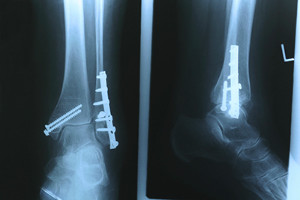 A common reason a broken foot may occur can be from falling off of a ladder, or it may become injured from participating in sporting events. The bones that are located between the toes and the ankle are referred to as the metatarsals. They can be prone to stress fractures, which typically happen from overuse. The average healing time for a broken foot is generally six to twelve weeks. Many daily activities are able to be completed as the healing process occurs when a walking boot or cast is worn. For more severe fractures, it may take longer if surgery is required. If you have pain in your feet as a result of either a fall or something else, it is advised that you consult with a podiatrist.